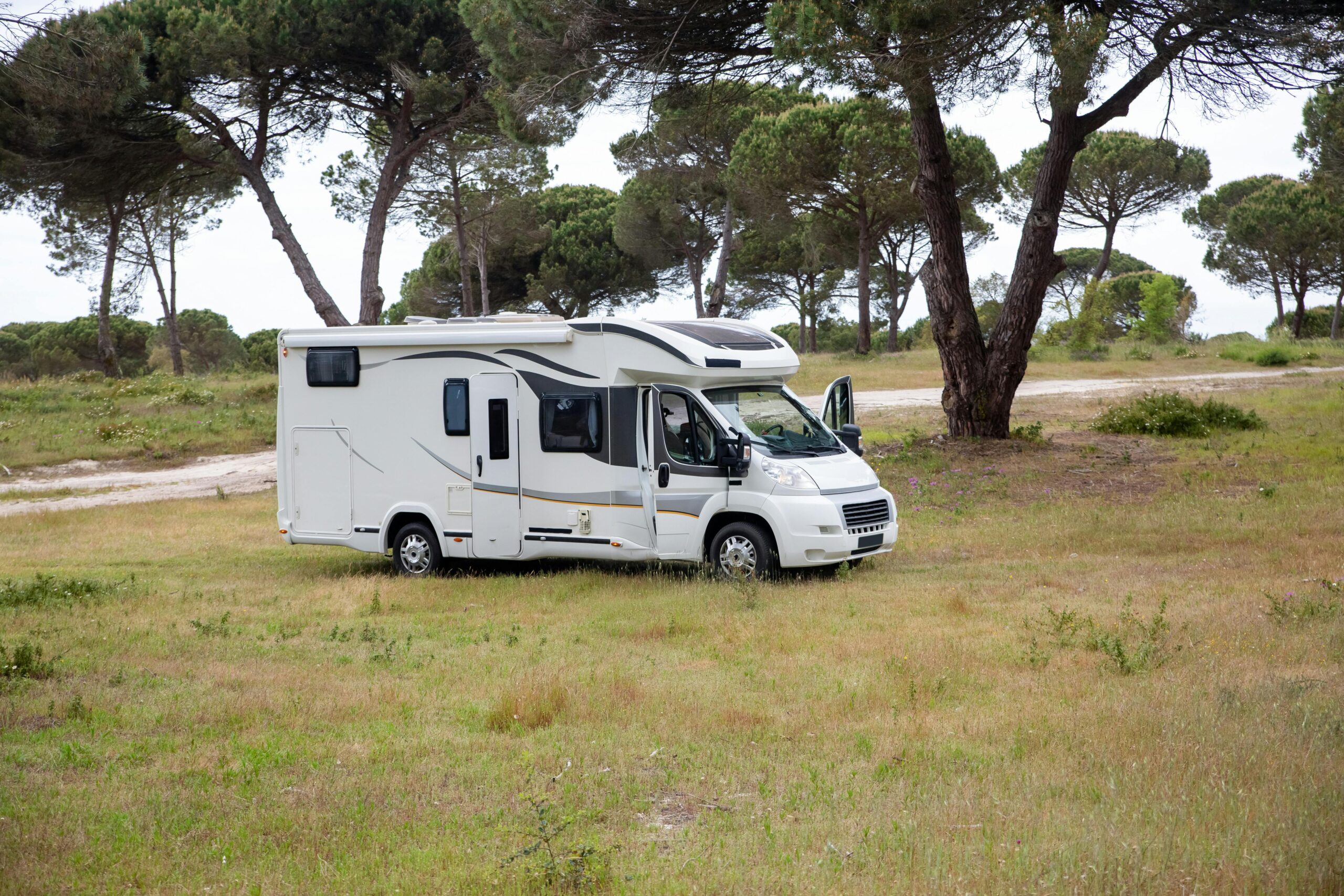
How To Spot Damage In Your Motorhome Windows (And What To Do Next)
Motorhome windows protect you from the winter elements, keep the heat inside your vehicle, and allow you to see the road ahead … but unfortunately, they can be easily damaged.
Despite being double glazed and made with durable acrylic, motorhome windows are at risk of scratching, cracking, and even becoming delaminated, and it is up to you to be aware of these issues and to address them as needed. Caring for your windows is an ongoing task, so keep an eye out for these common signs of damage during your next road trip and refer back to this guide for help dealing with them.
Scratches
A few scratches against the surface of your windows are to be expected from time to time, especially if you love to take your motorhome off the beaten track for off-road adventures.
Whether or not a scratch counts as damage depends upon its depth and severity, as small scratches from overgrown branches and stones being flung up from the road are not a cause for concern. However, even the smallest scratches can damage your windows and impair visibility if they build up over time, and just one scratch can threaten the integrity of the windows’ seal if it is large enough.
To locate any scratches, all you need to do is clean your windows as you normally would and take a close look at the polished acrylic either in bright sunlight or with a torch. If you spot a scratch, or you think you do but are not sure, then gently use your fingernail to scrape against it and assess its depth.
What To Do Next: Small, isolated scratches that don’t catch your nail can be treated using a suitable scratch remover solution, whilst deep scratches that cover a large area will need to be handled by a professional.
Crazing
Crazing has a similar appearance to scratches but results in much more damage. It is caused when the wrong window cleaner is applied to the acrylic and cannot be reversed, but it does develop slowly, so if it happens to your windows then you will have time to spot it before it leads to extensive cracking.
It appears as a cluster of tiny cracks that are grouped together on the window surface, but unlike scratches, it cannot be removed by polishing the acrylic or applying a scratch remover. This means that if these visible cracks remain after treating them then they are most likely caused by crazing.
What To Do Next: Crazing is best avoided, rather than treated, so take care when washing your windows to use the right cleaning products at all times. Unfortunately, since crazing is an irreversible process, if you do accidentally use the wrong chemicals then the window will need to be replaced.
Cracks
Despite being a strong material, acrylic can still crack – but, as is the case with scratches, a small crack is not a pressing issue, and you shouldn’t let worries around it ruin your next trip.
Instead, what you should be looking out for is signs of a hard impact to the edge as this is where acrylic windows are most vulnerable to cracking. If this happens, possibly due to a large, sharp stone or a metal implement coming into contact with the window, then the damage won’t be hard to spot, and you will most likely be able to see it without needing to conduct an inspection.
What To Do Next: If you do notice a deep crack in the edge then this damage cannot be repaired and it is unfortunately time to replace the entire pane.
Delamination
Whilst the issues we have already covered affect the surface of a window, delamination occurs within motorhome windows – more specifically, between the two acrylic panels that make up a double-glazed window.
This issue occurs when the adhesive between these two panels starts to delaminate and causes them to detach. This then leaves a space within the window for moisture to enter and become trapped, which causes it to have a permanently cloudy appearance.
Delamination is not often easy to spot, as it can be mistaken for excessive condensation, but if the water droplets are clearly present inside the window, rather than simply on its surface, then this is a cause for concern. This effect, combined with the acrylic panels coming apart, is a clear indication that the windows have become delaminated.
What To Do Next: Since delamination is a structural issue, a safety repair is a viable short-term solution. This involves plugging the four corners of the window, but to tackle the delamination and prevent moisture from entering the gap again you will need to carefully remove the old adhesive, apply a new layer, and seal up the window again.
Shop Motorhome Windows And Fixtures
It’s not just the windows panels that might be damaged and in need of replacement – it could also be the parts and fixtures that keep your motorhome windows functioning properly.
This includes seals, adhesives, locks and hinges, so if you have spotted an issue with your windows and need expert advice on how to fix it then contact Caravan Crazy today. They offer fast delivery on a range of side and front motorhome windows and will be able to assist you with your queries, so click here to find out more.